


Call Us
Call Us
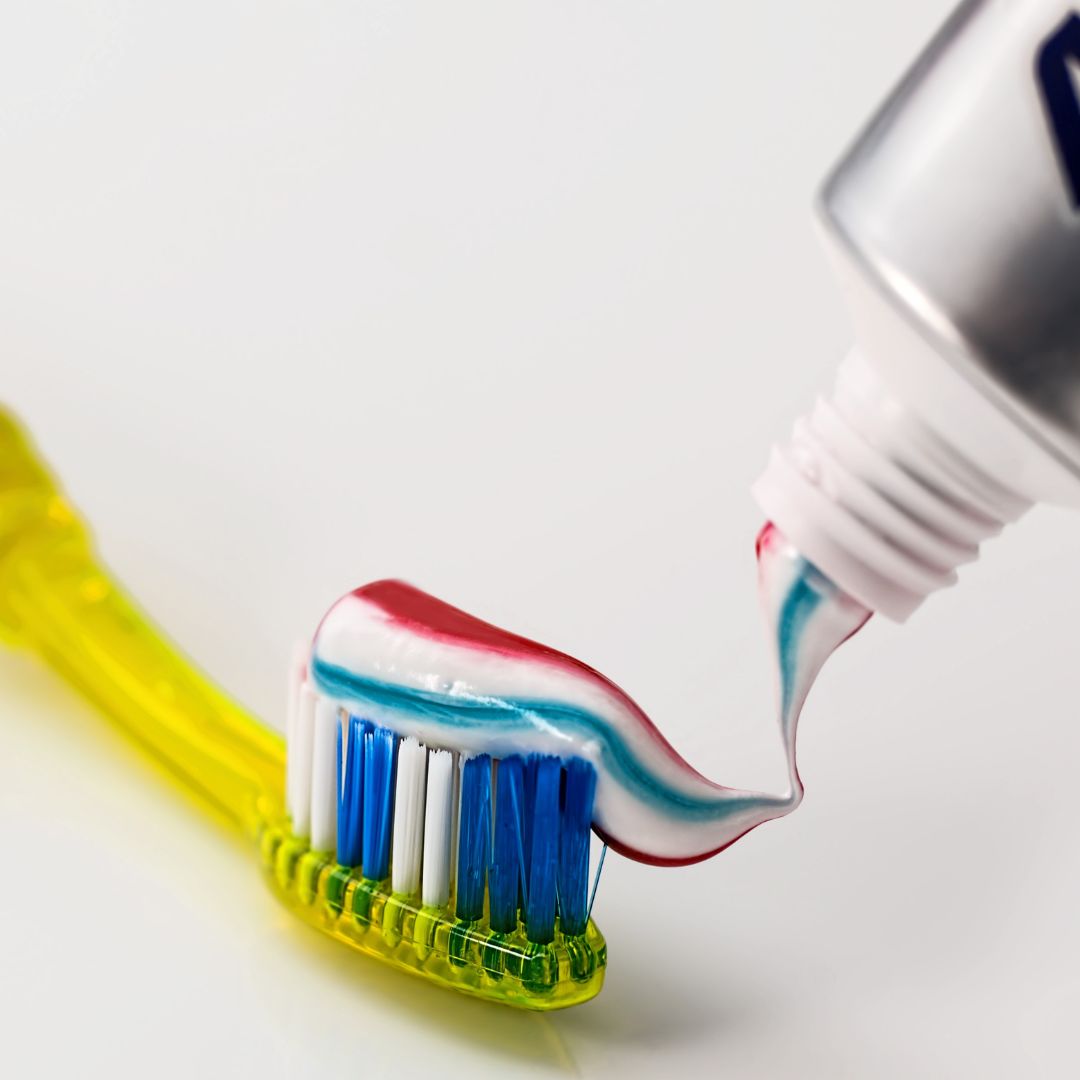
Toothpaste Manufacturing Process - To maintain a healthy smile, toothpaste, which is an important component of our daily oral hygiene routine, is quite important. A remarkable production process that blends technology and creativity can be found behind the glowing tubes. If you want to work in the toothpaste manufacturing industry then Chandigarh based famous Lifevision Chandigarh company will give you information about the Toothpaste Manufacturing Process and the benefits of the toothpaste manufacturing business.
Toothpaste is used with a toothbrush to clean teeth, protect oral health, and provide the safety of daily necessities for humans. The first step to good oral hygiene is to use toothpaste while brushing. Lifevision Chandigarh, a leading toothpaste manufacturing company, has mastered the art of manufacturing toothpaste that not only maintains good dental health but also brings smiles to the faces of millions of people across the globe.
To maintain and enhance oral health and aesthetics, toothpaste is a paste or gel that is applied with a toothbrush. Toothpaste contains abrasives to clean and whiten teeth, tastes to freshen breath, and colors for improved aesthetics. The most effective toothpastes are those whose formulas maximize the bioavailability of their active ingredients.
Nowadays, the toothpastes are produced using high tech vacuum mixing plants in which the various ingredients are homogeneously mixed in a vacuum in order to ensure no air which would be un-hygienic product. The production process as used in a commercial toothpaste manufacturing unit is given below.
Before anything the raw materials which is used in the manufacturing process are sourced from approved certified suppliers. Each batch of raw material (abrasives, humectants, actives such as flouride etc) received is quality assured in laboratory. Quality parameters such as particle size, moisture content, pH, Viscosity, Microbial quality etc are verified to pre-defined specifications before batch approval for process.
Once the raw materials are approved they are weighed out to the formulation recipe using calibrated weighing systems to the precise calculations. This is vital to get correct as tiny excesses or deficiencies in the ingredients ratios of the formulation can change the texture, flavour, stability and therapeutic values of the final product. In this process batch sheets are used or an automated recipe management computer software connected to the plant control systems.
Generally, production would begin with preparation of the gel phase where water and glycerine (or sorbitol) were added to a jacketed vacuum mixer which would be slowly heated if necessary. Binders such as CMC or carrageenan are slowly added to the liquid phase as a slurry with stirring.
Once the gel has the correct consistency, powders such as calcium carbonate, silica or dicalcium phosphate are slowly fed into the vacuum mixer, usually by a powder induction system or a hopper with a vacuum train feed that draws in the powder rather than blowing air into it. Fluoride and other actives are added at this stage also, although usually in a separate premix to ensure an even distribution of the input ingredients and for the reason that there are laws limiting the amount of fluoride that can be added.
The product is then passed through a high shear homogeniser (also known as a "disperser") normally under vacuum (600-700mm Hg). The vacuum is employed to ensure that any entrapping bubbles of air are removed, as the presence of these would give a dull, porous appearance and contribute to instability. The vacuum also prevents oxidation of sensitive ingredients.
Once the base paste has reached the smooth desired consistency then the heat sensitive and volatile ingredients (ie surfactants, flavoring oils, sweeteners, preservatives) are added near the end of the mixing cycle. The addition of the volatile ingredients near the end of the cycle prevents the loss of flavor due to heat escape and prevents unnecessary foaming during the cycle which would displace the air entrapped in the paste.
Finally a preliminary deaeration is carried out using a continuing vacuum, to eliminate any air which may have been incorporated by the added subsequent ingredients. This is necessary in order to produce the characteristic dense, ribbon-like extrusion of the toothpaste from the tube, as well as improving shelf-life.
Samples are taken and tested in QC lab before batch approval for filling. The parameters tested for quality control include viscosity, pH, specific gravity, extrusion rate, color, odor, and presence of micro-organisms. Batch that passes the parameters is released for filling & packaging.
The final toothpaste paste is then transferred (usually by pneumatic or positive displacement pumps) to an automatic tube filling and sealing machine. The automatic tube filling machine fills the plastic, laminated or aluminum tube's with pre-determined quantity of toothpaste paste and seals the tail end of the tube using heat-sealing or ultrasonic sealing process. Batch numbers, manufacturing date and expiry date are printed on the tube itself.
Once filled and sealed the tubes are fed into the cartoning machine. They are automatically packed into printed cartons and then filled with literature if necessary. These cartons are then inserted into shipper boxes in bulk for handling. Automation of this process reduces costs in labor, and has other benefits including speed and consistency of the packing process.
Before dispatch, finished products go through a final quality assurance inspection which involves a visual inspection of all tubes and cartons; weighing of all cartons and random sampling of cartons, which are sent to the laboratory for testing. Upon approval, batches are moved to the warehouse for storage until they are supplied to the retailers or exported.
A toothpaste making plant is established in the premises by installing specially designed equipments in aseptic dust free conditions. Life Vision India manufacture the entire plants with the following machinery.
For the oral health and wellness of its customers, Lifevision Chandigarh has special arrangements for the highest efficiency and hygienic toothpaste manufacturing process. Lifevision Chandigarh maintains its reputation as a trusted name in the oral care sector by following strict manufacturing processes, using premium ingredients, and giving high priority to quality control, which helps in keeping our smile healthy and bright every day. does. does. does. For more details contact us through the details given below!
Name - Lifevision Chandigarh
Address - Plot no. 11-12, Dainik Bhaskar Building, Sector 25-D, Chandigarh- 160014, India
Phone Number- +91-9317777888
Mail - mkt29lvhc@gmail.com
A - Manufacturing: general preparation of a gel phase with water, glycerine and binders; addition of abrasives, actives and surfactants during vacuum mixing, homogenization, deaeration; filling of tubes, sealing, cartoning and distribution, after quality control tests.
A - Vacuum mixing eliminates entrapped bubbles, prevent oxidation of sensitive ingredients, produced a homogenous, dense, shiny paste having a more uniform flow consistency, improved shelf life and a finished appearance of a lump free product.
A - Main equipment in the center of the processing line is vacuum emulsifying mixer, powder induction system, Jacketed storage tanks, tube filling and sealing machine, the cartoning machine, the water purification system, laboratory QC equipment.
A - The addition of fluoride is controlled to a large extent, and the nation, and in some cases product category has some specification limits which is added by premix during powder stage, and the range is generally 1000 1500 ppm.
A - The abrasives in the dentifrice such as calcium carbonate or silica will lightly scour plaque, particles of food and surface stains off the teeth, without abrading the enamel and normally constitute 40 - 50% of the entire paste.
A - The main components of toothpaste generally include abrasives, binders, detergents, flavorings, humectants, preservatives, and fluoride.
A - Manufacturers use strict quality control guidelines to ensure that toothpaste meets safety and quality standards. The production process is subject to continuous testing and inspection.
A - Some toothpaste manufacturers are implementing eco-friendly methods such as using recyclable packaging and consuming less water and energy during production.








We have been widely appreciated by our clients as dependable business partner, which can guide them in the consumer markets with expertise and tenacity.
PLOT NO 11-12, DANIK BHASKAR BUILDING,
SECTOR 25-D, CHANDIGARH – 160014, INDIA
enquiry@lifevisionhealthcarechd.com
2021, All Right Reserved @ Lifevision Healthcare | Web Design & Development By WebHopers